Introduction
In today's fast-paced world, communication technology has evolved significantly, with Voice over Internet Protocol (VoIP) phones leading the charge. These digital devices have revolutionized the way we connect, allowing users to make calls over the internet instead of traditional phone networks. As businesses and individuals increasingly adopt VoIP solutions, understanding The Best Practices for Using VoIP Phones Effectively becomes critical for maximizing their benefits.
This article will explore a comprehensive range of best practices for using VoIP phones effectively. We’ll delve into everything from choosing the right hardware and software to ensuring a stable connection and optimizing call quality. Whether you’re a business looking to enhance your communication system or an individual seeking to streamline your personal calls, this guide is crafted just for you!
Understanding VoIP Technology
What is VoIP?
VoIP stands for Voice over Internet Protocol, which enables voice communication through the internet. Unlike traditional telephone systems that rely on circuit-switched networks, VoIP converts voice signals into data packets, transmitting them via the internet.
How Does VoIP Work?
VoIP works by digitizing your voice into data packets and sending them over the internet. When you speak into a VoIP phone, your voice is converted into digital signals that travel through broadband connections. At the recipient’s end, these signals are reassembled back into sound.
Key Components of VoIP Systems
To fully leverage The Best Practices for Using VoIP Phones Effectively, it’s essential to understand its key components:
VoIP Phones: These can be hardware-based or software-based (softphones). Internet Connection: A reliable broadband connection is crucial. VoIP Provider: This service provider offers the necessary infrastructure. Router/Modem: Routes data between your local network and the internet. Power Supply: Many VoIP phones require power over Ethernet (PoE) or a separate power source.Choosing the Right VoIP Phone
Hardware vs Software Phones
When selecting a VoIP phone, you'll encounter two main types: hardware and software.
- Hardware Phones: Standalone devices resembling traditional phones but designed specifically for VoIP use. Software Phones (Softphones): Applications installed on computers or mobile devices that facilitate voice calls using a microphone and speakers.
Pros and Cons of Hardware vs Software
| Feature | Hardware Phones | Software Phones | |----------------|--------------------------------------------------|-------------------------------------------------------| | Portability | Limited; fixed in one location | Highly portable; can be used anywhere with an internet connection | | Call Quality | Generally higher due to dedicated hardware | Varies based on device specifications | | Cost | Higher initial investment | Often cheaper or free | | Setup | Requires installation of devices | Quick setup; simply download an app |
When deciding between hardware and software options, consider factors like budget, portability needs, and call quality requirements.
Features to Look For in a VoIP Phone
When you're on the hunt for a reliable VoIP phone, keep an eye out for these essential features:
- Call Quality: Look for HD audio support. User Interface: An intuitive interface makes navigation easier. Integration Capabilities: Seamless integration with CRM tools can enhance productivity. Security Features: Ensure robust encryption options are available. Durability: Consider long-lasting models if they're intended for heavy use.
Setting Up Your VoIP System
Network Requirements
A high-speed internet connection is vital when setting up your VoIP system. Aim for at least 100 Kbps upload/download speed per concurrent call to ensure clear communication without interruptions.
Bandwidth Considerations
Bandwidth refers to the amount of data that can be transmitted over your network in a given time frame. Adequate bandwidth is crucial as it affects call quality:
- Each VoIP call requires 100–200 Kbps of bandwidth. Monitor usage during peak hours to avoid potential congestion issues.
Configuration Steps
Setting up your system may seem daunting, but by following these steps, you'll have everything running smoothly in no time:
Connect your router/modem to your internet service provider. Plug in your VoIP phone or install your softphone application. Configure settings as per instructions provided by your service provider (this often includes entering SIP credentials). Test call functionality before rolling it out company-wide or relying on it for important communications.Optimizing Call Quality
Internet Speed Testing
Before making calls, test your internet speed using tools like Speedtest.net to ensure you're meeting minimum requirements.
Quality of Service (QoS)
Quality of Service settings help prioritize voice traffic over other types of data on your network. Learn how to enable QoS on your router:
Log into your router’s settings page. Locate QoS settings under advanced features. Add rules prioritizing ports used by your VoIP service.Troubleshooting Call Quality Issues
If you're experiencing dropouts or poor sound quality during calls:
- Check all cables and connections. Restart modem/router regularly. Reduce bandwidth usage by limiting video streaming during calls.
Security Measures for Your VoIP System
Importance of Securing Your VoIP System
With any online service comes security challenges; thus protecting sensitive information is paramount when using VoIP phones.
Basic Security Practices
Implement these basic security measures:
Use strong passwords for all accounts associated with your Voip phones. Regularly update firmware/software to patch vulnerabilities. Utilize secure protocols such as SRTP (Secure Real-Time Transport Protocol).
Integrating Additional Features
Unified Communications
Consider integrating unified communications solutions that combine various communication methods such as chat, email, and video conferencing alongside VoIp phones.
Benefits of Unified Communication
- Streamlined workflow Improved collaboration among teams Enhanced customer experience through multiple contact points
Advanced Calling Features
Take advantage of advanced calling features offered by many VoIp services, including:
Call forwarding Conference calling Auto-attendants Call analyticsEach feature can enhance efficiency and improve overall communication strategies within organizations.
FAQs About Using VoIP Phones
What Are Common Issues with VoIp Phones?
Some common problems include dropped calls, poor sound quality due to inadequate bandwidth, and latency issues caused by network congestion.
Can I Use My Existing Phone with a VoIp Service?
Yes! You can often use existing analog phones with an Analog Telephone Adapter (ATA), which converts traditional signals into digital format compatible with VoIp services.
How Much Does It Cost to Use A Viop Phone?
Costs vary widely depending on service providers but typically range from $20-$50 per month per line plus additional fees depending on features selected.
Is It Possible To Make Emergency Calls Using Viop?
Yes! However, it's essential first confirm whether emergency services operate correctly through your specific VOip provider, as some limitations might exist compared with traditional landlines.
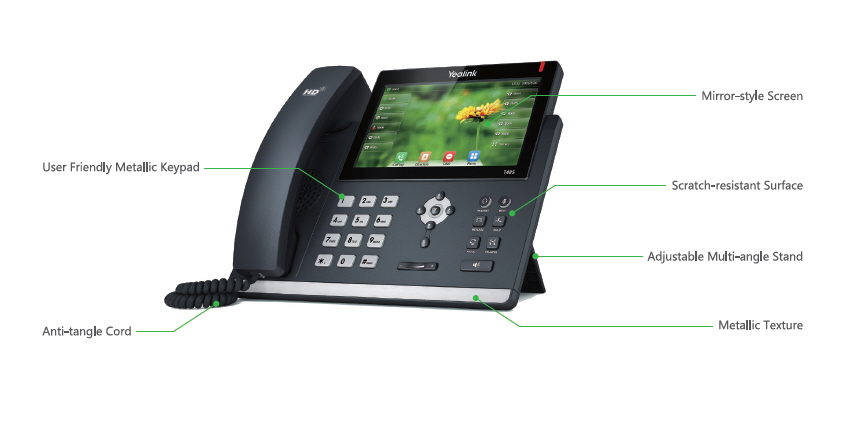
What Devices Can I Use With Viop Services?
You can use dedicated VOip phones designed explicitly for this purpose or softphone applications available across various platforms—laptops/desktops/smartphones/tablets!
Conclusion
In summary, leveraging the capabilities of voip phones https://theindustry.blog/telecommunications/business-telecom/boost-productivity-with-voip-phones-for-business/ effectively requires careful planning and execution—understanding technology fundamentals combined with best practices discussed here will undoubtedly lead towards optimal results yielding streamlined communications both personally & professionally alike! Implementing security measures alongside advanced functionalities creates even more opportunities enhancing user experiences while ensuring smooth interactions from start-to-finish every time!
Here’s hoping you found our exploration insightful; now go ahead & make those crystal-clear calls confidently utilizing voip technology like never before!